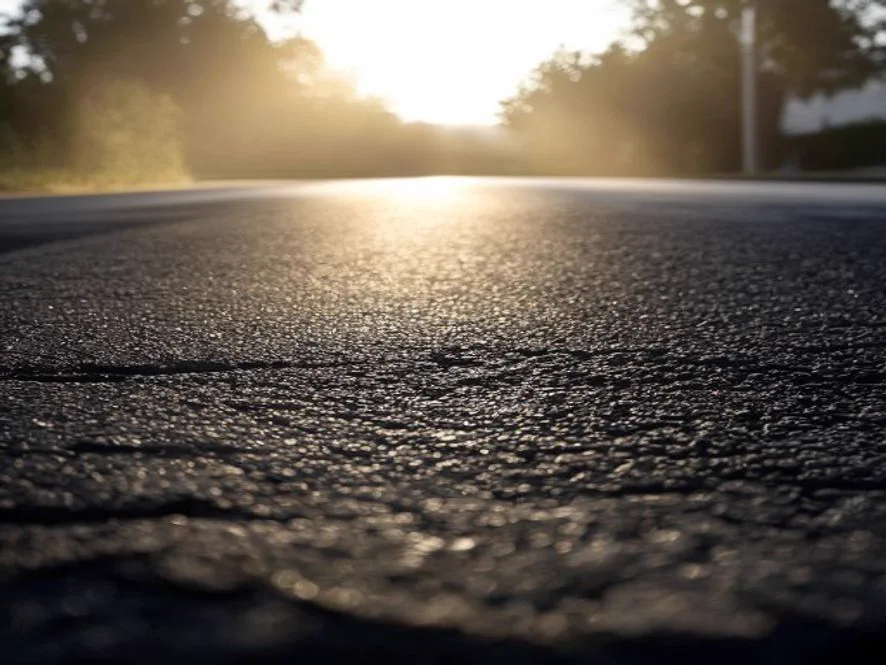
Yes, an asphalt driveway gets very hot. On a sunny 90 degree day the surface commonly reaches 125 to 150 degrees Fahrenheit, and in full desert sun it can pass 160. That is hot enough to burn skin and paw pads, soften the asphalt itself, and make summer hot-climate care matter.
How hot does an asphalt driveway get?
The number that surprises people is the gap between air temperature and surface temperature. The air feels warm, but the pavement is a different world. Here is a rough guide based on a clear, sunny day with little wind.
- Air 80 degrees: surface roughly 110 to 125 degrees. Already too hot for bare paws.
- Air 90 degrees: surface roughly 125 to 150 degrees. You can feel the heat through shoe soles.
- Air 100 degrees: surface roughly 145 to 160 degrees. Eggs cook, skin burns in seconds.
- Desert sun, air 105 plus: surface can exceed 160 to 170 degrees on dark, fresh asphalt.
Those readings are for direct sun. Move the same driveway into shade and the surface can drop 30 to 50 degrees fast. Cloud cover, a breeze, or late-day sun angle all pull the number down. The U.S. Centers for Disease Control notes that pavement can reach dangerous burn temperatures when the air is only in the 80s, which is exactly why a warm day can still cook a driveway.
Why does asphalt get hotter than concrete or grass?
It comes down to color and density. Asphalt is nearly black, so it absorbs about 90 percent of the sunlight that hits it instead of bouncing it away. That energy converts to heat. Asphalt is also dense and holds that heat, so it keeps radiating warmth long after the sun has moved off it.
- Dark color: low reflectivity means more solar energy stays in the surface.
- High mass: the dense binder and aggregate store heat like a battery.
- Slow release: a driveway stays warm into the evening, which is why barefoot kids still get caught after dinner.
- Compared to grass: lawns cool themselves by releasing moisture, so they may be 50 degrees cooler than asphalt at the same moment.
This is the same effect behind the urban heat island, which the Environmental Protection Agency ties partly to dark paved surfaces. A lighter surface, like a faded gray driveway or a light sealcoat, runs cooler than a deep-black new one. If your driveway has lost its color, our guide on fading and color restore explains the tradeoff.
Is a hot driveway dangerous for pets, kids, and bare feet?
This is the part that matters most. Heat that you barely notice through shoes can injure anyone in direct contact with the surface.
- Dog paws: pads can burn at 125 degrees, reached when air is only in the mid 80s. See our note on dog paws and summer heat for a full walk-time guide.
- Bare feet: skin burns in two to three seconds at 150 degrees. Kids run across without thinking.
- The seven-second test: press the back of your hand to the surface. If you cannot hold it comfortably for seven seconds, it is too hot for paws or bare feet.
- Falls and tools: dropped knees, crawling toddlers, and bare hands all make contact you would not predict.
The safest fix is timing. Walk pets in early morning or after sunset, keep play on shaded grass, and rinse the surface with a hose before kids head out. The Occupational Safety and Health Administration heat guidance for outdoor surfaces applies at home too: shade, water, and avoiding peak sun hours are the three levers that work.
Quick check
Surface Heat Estimator
Enter today's air temperature and sun condition to get a rough surface temperature and a safety read for paws and bare feet.
Does the heat actually damage the asphalt?
Normal summer heat will not ruin a driveway, but it does change how the surface behaves. Asphalt softens as it warms because the binder that holds the aggregate together becomes more pliable. On a new driveway that softening is more pronounced, which is one reason a brand-new surface scuffs and dents so easily.
- Tire scuffs: turning the steering wheel while parked twists hot asphalt and leaves marks. This is why driveways are soft in summer.
- Ruts and dents: kickstands, jack stands, and trailer jacks press into warm asphalt. Use a board or pad under point loads.
- New pavement risk: a driveway under two years old is the most vulnerable. Our first-year care guide covers what to avoid.
- Heavy vehicles: RVs and trucks need extra thickness so they do not press in. See thickness for heavy vehicles.
The good news is that this is reversible. As the surface cools at night it firms back up. The pavement is not melting in the literal sense at residential temperatures. It is just temporarily soft, the way warm chocolate is still chocolate.
How do you keep an asphalt driveway cooler?
You cannot change physics, but you can stack several small wins. Together they make a real difference for comfort and for the life of the surface.
- Shade first: a tree, pergola, or carport cuts surface temps the most. Even partial afternoon shade helps.
- Lighter sealcoat: some sealers and lighter aggregate reflect more sun. Weigh this against the deep-black look you may want.
- Rinse before use: a quick hose-down drops the surface temperature for play or pet walks.
- Keep sealcoat fresh: a sound surface resists heat softening and wear. Find your interval with our sealcoat frequency guide.
- Plan the timing: schedule heavy parking, deliveries, and play for cooler parts of the day.
If you are still deciding between materials for a hot region, our comparison of asphalt versus concrete by climate lays out the heat tradeoffs side by side. Concrete runs cooler underfoot but costs more and cracks differently.
Bottom line
An asphalt driveway absolutely gets too hot to be safe in peak summer sun. Expect surface temperatures 40 to 60 degrees above the air, which means 125 to 160 degrees on a hot afternoon. That is a burn risk for paws and bare feet and enough to soften new pavement. Use shade, timing, water, and the seven-second hand test, keep your sealcoat in shape, and treat the surface with respect on the hottest days. The heat does not permanently harm a well-built driveway, but it deserves your attention.