Most residential asphalt driveways install in 1 to 3 working days. A resurface or overlay on a sound base can finish in a single day, while a full tear-out and rebuild usually runs 2 to 3 days. The actual paving often takes just a few hours. Plan your paving day prep around that window.
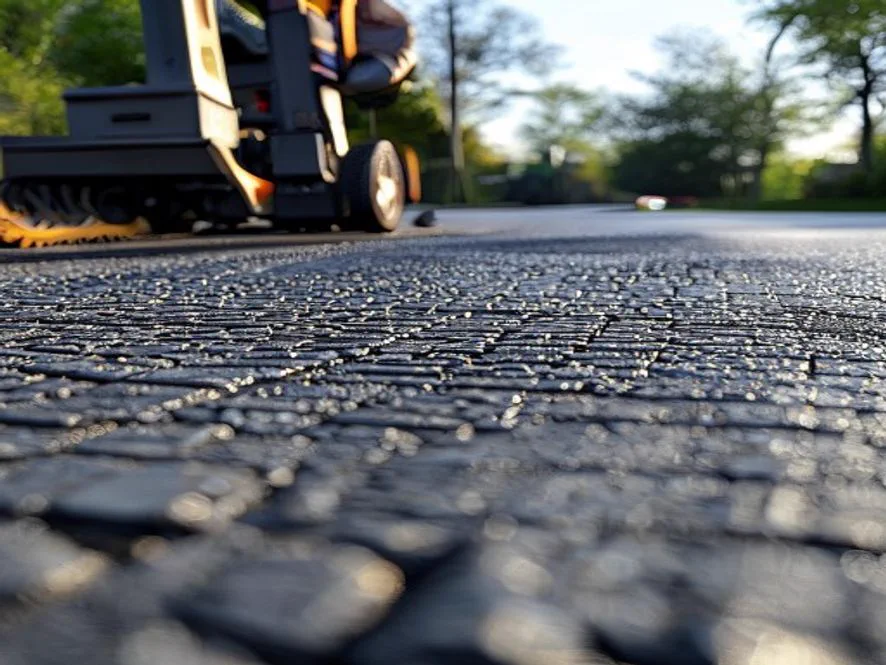
The short answer, by job type
The single biggest factor is whether you are paving over a sound surface or rebuilding from dirt. Here is the realistic range for a standard two-car driveway of roughly 600 square feet.
- Overlay or resurface (1 day): New asphalt goes over an existing sound driveway. Light cleaning, edge prep, then a 1.5 to 2 inch lift. Often done by early afternoon. See overlay an existing driveway.
- New driveway on prepared ground (1 to 2 days): The subgrade is already graded and stable. The crew sets the base and paves, sometimes splitting it across two short days.
- Full tear-out and rebuild (2 to 3 days): Demolition and haul-away, grading, base installation, then paving. The base often sits a day to settle before the hot mix arrives. Read the tear-out cost guide for the demolition side.
- Long or complex jobs (3 to 5 days): Steep grades, drainage work, or a long rural driveway add days for extra excavation and multiple base lifts.
The day-by-day breakdown
Here is what actually happens on a typical full rebuild, and roughly how long each phase takes. A crew of four to six handles most residential jobs.
- Demolition and removal (2 to 5 hours): Breaking up the old surface and loading it out. Recycled asphalt usually goes back to a plant. This is where a dumpster or haul truck blocks your access.
- Grading and excavation (2 to 4 hours): Cutting the subgrade to the right depth and shaping the slope so water runs off. Proper grade is set here. Our slope and grade guide covers the target percentages.
- Base installation (3 to 6 hours): Spreading and compacting 4 to 8 inches of crushed aggregate. This is the structural layer. See the base prep guide for why this step decides lifespan.
- Base settling pause (0 to 48 hours): Many crews let the compacted base sit and dry, especially after rain or on soft soil. This is the gap that surprises homeowners.
- Paving (2 to 4 hours): Hot mix is delivered at 275 to 300 degrees Fahrenheit, spread by a paver, then compacted with rollers while still hot. For a single-driveway job this is the fastest visible phase.
- Edge work and cleanup (1 to 2 hours): Hand-tamping edges, shaping the apron, and clearing the site.
The National Asphalt Pavement Association notes that compaction has to happen inside a narrow temperature window, which is why the paving step moves fast once the trucks arrive. The Asphalt Institute documents the mix temperatures that drive that timing.
Install timeline estimator
Pick your job type and driveway size to see a rough on-site day estimate. This is a planning guide, not a contract schedule. Weather and crew size move the real number.
Why the crew sometimes leaves and comes back
The most common confusion is the gap between base prep and paving. Crews often install and compact the stone base, then leave for a day. This is intentional. A freshly compacted base sometimes needs 24 to 48 hours to stabilize, especially after rain or on soft clay soil. Paving over a base that has not settled traps moisture and leads to early settling and low spots. The pause is a quality step, not a delay. Hot mix also has to be ordered from a plant for a specific morning, so the paving day is scheduled around plant availability and weather.
How weather sets the schedule
Asphalt is temperature sensitive. Hot mix should be laid when the air and ground are above about 50 degrees Fahrenheit, on a dry, settled base. Cold ground pulls heat out of the mat too fast and the rollers cannot compact it properly. These conditions push timing:
- Rain: Paving stops. Water on the base or in the mix ruins compaction. A wet week can slide your date.
- Cold: Below 50 degrees, most reputable crews will not pave. Late fall and winter jobs in cold regions often wait for spring. See the best time to pave.
- Heat: Extreme heat is workable but the new surface stays soft longer, extending the no-park window.
The Federal Highway Administration publishes the temperature and compaction guidance that contractors follow, which is why a responsible crew will reschedule rather than pave in bad conditions.
What happens after the crew leaves
Installation time and usable time are not the same thing. The paving may finish in an afternoon, but the driveway needs to set and cure.
- First 24 to 72 hours: Stay off it. Foot traffic and light vehicles after the surface cools and firms. Full details in our when can I park guide.
- First 30 days: Keep heavy trucks, RVs, and trailer jacks off. Avoid turning your wheels while stopped. The mat is still soft.
- 6 to 12 months: Full curing as the asphalt hardens and the binder cures. Tire marks and minor scuffing in this window are normal. The curing time guide walks through it.
- First year care: Hold off on sealcoating new asphalt for at least 6 to 12 months so it can cure. See first-year care.
What you can do to keep the timeline on track
You cannot speed up curing, but you can prevent delays.
- Clear the area early. Move cars, trailers, and trash bins the night before. Trim back branches a truck would hit.
- Confirm the schedule in writing. A good contract lists start date, the base pause, and the paving day. Use our paving contract checklist.
- Plan your parking. You may lose driveway access for 2 to 4 days total. Arrange street or neighbor parking.
- Watch the forecast with them. If rain is coming, expect a reschedule and treat it as a good sign of a careful crew.
- Know what a fair price covers. Run your bid through the quote checker so a tight timeline is not hiding skipped base work.
Bottom line
Budget 1 to 3 working days of on-site work for a standard driveway, with overlays at the short end and full rebuilds at the long end. The visible paving is fast. The base prep, the settling pause, and the weather window are what stretch the calendar. Then add 24 to 72 hours before driving and up to a year of curing. Price the full project with the driveway cost calculator, and check the full source list on our sources page.