Recycled asphalt pavement, called RAP or asphalt millings, is old pavement ground up and reused as a driveway surface. It is a sustainable option because it reuses aggregate and binder instead of mining and refining new material. RAP costs about 1 to 3 dollars per square foot installed, far below new hot mix, and lasts 7 to 15 years.
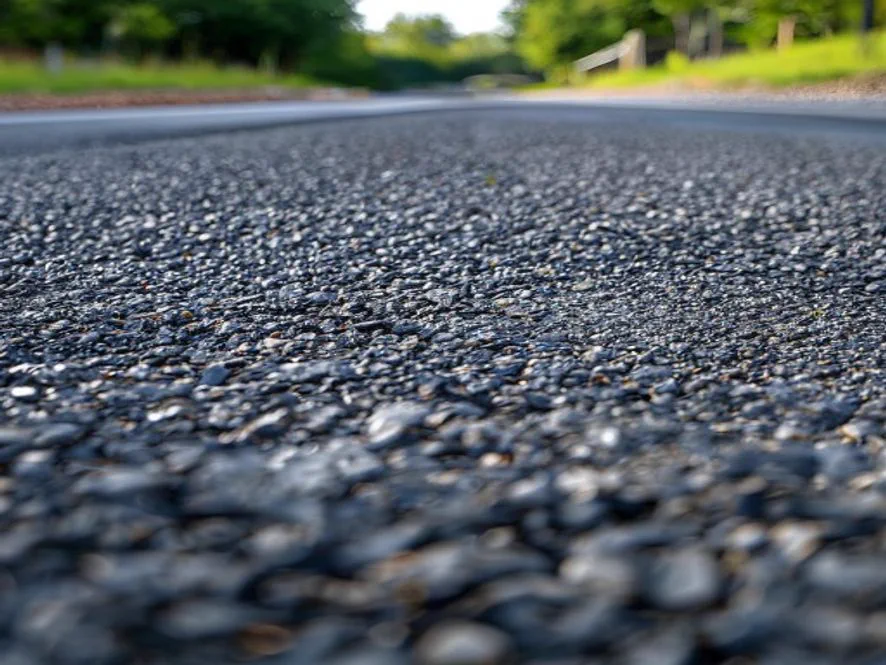
What is recycled asphalt pavement?
RAP is exactly what it sounds like. When a road crew resurfaces a highway or parking lot, a milling machine grinds off the top inches of old asphalt. That ground up material is aggregate (crushed stone) still coated in residual asphalt binder. Instead of dumping it, plants reclaim and reuse it. According to the National Asphalt Pavement Association, asphalt is the most recycled material in the country by weight, and the industry reuses the large majority of reclaimed pavement every year.
For a driveway, you buy that reclaimed material as loose millings, spread it, and compact it. The leftover binder is the key feature. It is sticky in summer heat, so a RAP surface re-bonds and tightens over time. Plain gravel never does that. If you are weighing the two budget surfaces, the head to head in millings vs gravel covers the tradeoffs in detail.
How sustainable is a RAP driveway really?
Sustainability comes from three things. First, RAP diverts a real waste stream from the landfill. Second, it avoids the quarrying needed to make new crushed stone. Third, it avoids the petroleum used to refine fresh asphalt binder, which is the most energy intensive part of new pavement.
- Material reuse: Every ton of RAP you lay is a ton that did not get mined or refined from scratch.
- Lower embodied energy: The binder is already made. You are reusing it cold, not heating a new hot mix batch at high temperature.
- Less transport impact: If a plant or active road job is nearby, the haul distance is short, which cuts fuel use.
- Leaching is low: The EPA and several state agencies report that cured RAP leaches at levels similar to conventional pavement. The binder is largely inert once set. Still, keep RAP out of stream beds and wellhead protection zones, and confirm local rules.
RAP is not a perfect green product. It still came from a petroleum based material, and a permeable surface can carry some surface runoff. But compared to fresh hot mix, the footprint is meaningfully smaller, which is why agencies promote reclaimed pavement so heavily.
How much does a recycled asphalt driveway cost in 2026?
- Material near a plant: 8 to 25 dollars per ton. Sometimes nearly free near an active road job.
- Material delivered farther out: 25 to 50 dollars per ton, with hauling driving the difference.
- Installed (grade and compact): roughly 1 to 3 dollars per square foot for a contractor.
- New hot mix, for comparison: 7 to 13 dollars per square foot. See current cost per square foot figures.
A typical 600 square foot driveway might need 12 to 18 tons of millings depending on depth, so material alone can land between 100 and 700 dollars before delivery and grading. Run your own numbers with the tonnage calculator, then sanity check any contractor figure against the quote checker.
RAP vs new asphalt savings estimator
Enter your driveway size and a local RAP price per ton. This gives a rough RAP tonnage, an estimated RAP cost, and how much you save versus new hot mix. Treat it as a planning number, not a quote.
How long does a RAP driveway last?
- Flat, well compacted lot: 7 to 15 years before regrading or a fresh top layer.
- Gentle slope under 8 percent: similar life, with a small top up every 5 to 8 years.
- Steep slope or heavy rain: shorter, as some washout is unavoidable on grade.
The reason RAP outlasts loose gravel is the binder. Each summer, residual asphalt softens and re-bonds under traffic, so the surface tightens instead of scattering. That self healing effect is why many homeowners describe a mature RAP drive as almost paved. For a sense of how a fully paved surface compares, read how long an asphalt driveway lasts.
How to install recycled asphalt step by step
- Excavate and shape the subgrade. Remove sod and soft soil. Aim for a slight crown or slope so water runs off.
- Build a stone base. Compact 3 to 4 inches of crushed stone first, especially on soft soil. A solid base is the same idea covered in the base prep guide.
- Spread the millings. Lay RAP in lifts of 2 to 3 inches with a box blade or rake, keeping the crown.
- Compact each lift. Use a plate compactor or roller. Compaction is what activates the binder and locks the surface.
- Install in summer if you can. Warm millings bond best. Drive on the surface during the first month to help seat it.
- Top up as needed. Add a thin fresh layer every 5 to 8 years to refill any low spots and renew the bond.
RAP is forgiving for a DIY job, but the base matters as much as the surface. Skipping base prep is the same mistake that causes early failure in paved drives, as the bad install problems guide explains.
Where a RAP driveway is the right choice
- Best fit: long rural or budget driveways, gentle slopes, anyone who wants a near paved look at a fraction of the cost, and homeowners who value the recycled angle.
- Good stage one: a RAP surface can be paved over later, and the compacted base carries forward into a future overlay.
- Poor fit: steep slopes above 10 percent, heavy daily commercial loads, and HOA neighborhoods that require a finished paved surface. Check the rules in HOA driveway rules before you buy.
RAP versus gravel versus new hot mix
RAP sits neatly between loose gravel and new pavement. Gravel is cheap but stays loose, washes out, and needs regrading every 1 to 3 years. New hot mix is the most durable and the most expensive, with the biggest footprint. RAP gives you most of the firmness and curb appeal of pavement, a fraction of the cost, and a real sustainability story. If your final goal is a fully paved drive, a permeable option may also be worth a look in permeable asphalt pros and cons.
Bottom line
Recycled asphalt is one of the few driveway choices that is cheaper and greener at the same time. You reuse a real waste stream, skip the energy of new hot mix, and still get a firm surface that lasts well over a decade on a flat lot. Price your local RAP per ton, build a proper base, compact in lifts, and install in summer. Full cost ranges, RAP definitions, and leaching references are on the sources page.