Asphalt costs more up front, about 4 to 9 dollars per square foot, and lasts 15 to 25 years with sealcoating. Tar-and-chip costs less, about 2 to 5 dollars, has a rustic stone look, and lasts 7 to 12 years. Asphalt suits snowy regions and heavy use. Tar-and-chip suits rural budgets and curb appeal. Use our driveway cost calculator to price both.
What is the difference between asphalt and tar-and-chip?
Both surfaces use the same basic ingredients, liquid asphalt binder and crushed stone, but they put them together in opposite orders. Hot-mix asphalt mixes the stone and binder at a plant at around 300 degrees Fahrenheit, hauls it hot, and rolls it into a smooth, dense, black mat. Tar-and-chip, sometimes called chip seal or seal chip, sprays the hot binder onto a prepared base first, then drops loose crushed stone on top and rolls it in so the chips press into the sticky binder.
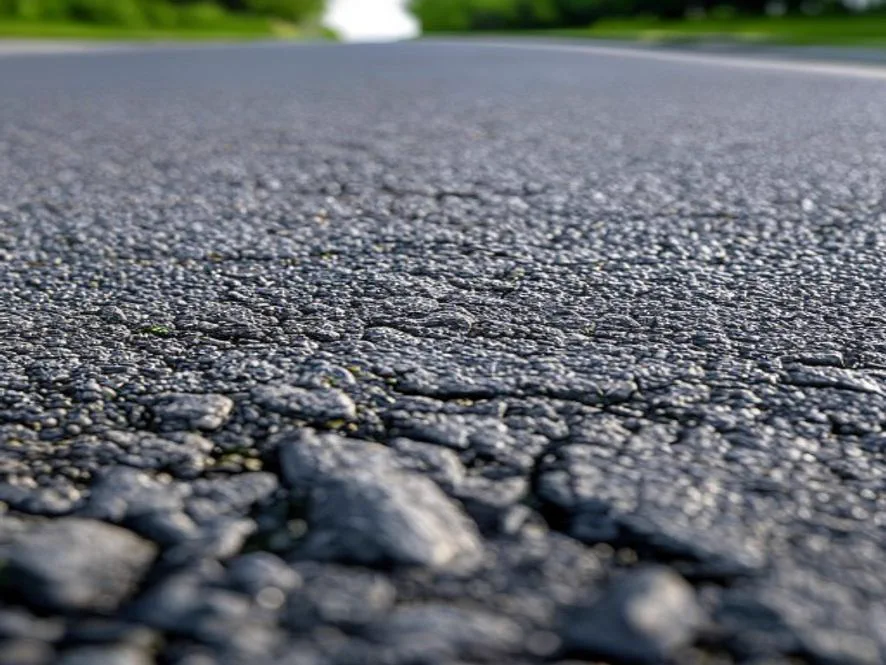
The result is two very different surfaces. Asphalt is smooth and uniform. Tar-and-chip is rough and textured, with the stone color showing on top. That single difference in construction drives almost every cost, look, and lifespan gap covered below. If you want the full picture on how asphalt is built up in layers, see our guide on asphalt driveway layers explained.
Asphalt vs tar-and-chip cost: which is cheaper?
Tar-and-chip is the cheaper option in almost every quote. Here is how the two surfaces typically compare on a residential driveway, assuming a sound base is already in place.
- Tar-and-chip: about 2 to 5 dollars per square foot installed. A 600 square foot driveway runs roughly 1,200 to 3,000 dollars.
- Hot-mix asphalt: about 4 to 9 dollars per square foot installed. The same 600 square foot driveway runs roughly 2,400 to 5,400 dollars.
- Base work: if your driveway needs grading, gravel, or compaction, expect to add 1 to 3 dollars per square foot for either surface.
The up-front savings on tar-and-chip are real, often 1,000 to 2,000 dollars on a standard driveway. Over 25 years the math can flip, because tar-and-chip needs a fresh chip layer more often. For a full breakdown by size, our cost per square foot guide and the cost by size table show real numbers you can match against a quote. Prices also swing by region, so check the cost by state and region data before you assume a number is fair.
10-year cost estimator
Enter your driveway size to compare rough installed cost plus likely upkeep over 10 years. Estimates only, not a quote.
Which lasts longer, asphalt or tar-and-chip?
Asphalt wins on lifespan. A properly installed and maintained hot-mix asphalt driveway lasts about 15 to 25 years. Tar-and-chip lasts about 7 to 12 years before the surface thins out and needs a fresh binder and stone layer. The difference comes down to how the binder is protected. In asphalt the binder coats every stone and is locked inside a dense mat. In tar-and-chip the binder sits in a thin layer near the surface, so sun and traffic wear it faster.
You can stretch asphalt life with regular care. Sealcoating every 2 to 4 years and prompt crack repair are the two biggest levers. See our how long does an asphalt driveway last guide and the maintenance schedule for the routine. The Asphalt Pavement Association explains why dense-graded asphalt holds up so well in its pavement resources.
Look and curb appeal: smooth black vs natural stone
This is where personal taste matters most. Asphalt gives you a smooth, clean, jet-black surface that reads modern and tidy. It fades to gray over time but sealcoating brings the black back. Tar-and-chip gives you a textured, pebbled surface in the color of the stone used, from warm tan to gray to reddish brown. Many homeowners pick tar-and-chip exactly because it looks like a country lane rather than a parking lot.
- Asphalt: smooth, uniform, dark. Pairs well with crisp suburban homes and clean edges. Easier to shovel, sweep, and ride bikes on.
- Tar-and-chip: rough, rustic, natural stone tones. Pairs well with rural, farmhouse, and wooded lots. Hides oil stains and tire marks better.
If curb appeal is your main goal, both surfaces can be dressed up with borders and edging. Our curb appeal guide covers options like paver borders and clean grading that work for either material.
Maintenance and snow: what each surface needs
The upkeep routines are completely different. Asphalt gets sealcoated every few years to protect the binder, and cracks get filled before water gets under the surface. Tar-and-chip is never sealcoated. Instead, you add a fresh layer of binder and chip when the surface starts to thin, usually every 7 to 10 years.
Snow is the big climate question. A steel plow blade can drag loose chips and gouge a tar-and-chip surface, so heavy-snow regions usually favor asphalt, which handles steel plows and snowblowers without trouble. If you do plow tar-and-chip, use a rubber-edged blade and keep the blade slightly raised. For asphalt owners, see our snow removal without damage guide. Loose stone also means a small amount of chip can scatter to the edges in year one on tar-and-chip, which is normal and settles down.
Climate, base, and drainage
Both surfaces depend on a solid, well-drained base. A weak base cracks asphalt and lets tar-and-chip ravel apart, so do not skimp there. In freeze-thaw regions the dense asphalt mat resists water intrusion better, which matters because the Federal Highway Administration notes that water in the structure is the leading cause of pavement failure. In hot, sunny climates tar-and-chip can soften less than fresh asphalt because the stone top sheds heat, though both can get hot underfoot. For drainage planning, our drainage solutions guide applies to either surface. Before any project, confirm whether your town requires a permit by checking your local stormwater rules and zoning office.
Who should pick which?
- Pick asphalt if: you want the longest life, you live where it snows and you plow, you have heavy vehicles, or you want a smooth surface for kids, bikes, and basketball.
- Pick tar-and-chip if: you want the lowest up-front cost, you love the rustic stone look, your driveway is long and rural, and you do not mind a fresh chip layer every several years.
If your driveway is long and unpaved today, also weigh tar-and-chip against plain gravel, which our asphalt vs gravel comparison breaks down. And if you are leaning toward asphalt but want to be sure a quote is fair, run it through our quote checker first.
Bottom line
Asphalt is the better long-term value for most homeowners in cold or high-use settings, lasting 15 to 25 years for a higher up-front price. Tar-and-chip is the budget and curb-appeal pick, cheaper to install and charmingly rustic, but it needs a fresh chip layer every 7 to 12 years and dislikes steel snow plows. Price both for your exact driveway size before you decide, because the right answer depends on your climate, your budget, and how the surface will look against your home.