This is the big driveway decision. Three options. Three very different price tags. And three very different outcomes. The wrong call wastes anywhere from 200 dollars (sealing a failed driveway) to 5000 dollars (replacing what only needed resurfacing). The decision is mostly about base integrity. If the base is sound, you have options. If the base is failing, you have one. The decision tool below walks you through it. For pricing detail see sealcoat cost 2026, resurfacing cost, and replacement cost.
The 3 options at a glance
- Sealcoat: 1/16 to 1/8 inch protective coating. 200 to 600 dollars. Lasts 2 to 4 years. Adds 5 to 10 years to driveway life when on schedule. Cosmetic, surface-level only.
- Resurface (mill and overlay): Mill 1 to 2 inches of old surface, overlay with 1.5 to 2 inch fresh layer. 1500 to 4000 dollars. Lasts 10 to 15 years. Requires sound base.
- Replace: Tear out everything to dirt, rebuild base and surface. 3000 to 8000 dollars. Lasts 20 to 30 years. Required if base has failed.
Decision tool
Answer 4 questions about your driveway. The tool recommends one of the three options with the reasoning.
Pick the right fix
Based on age, surface condition, base integrity, and budget.
When to sealcoat
Sealcoat is the right call when the surface is sound and the base is firm. Signs that point to seal:
- Driveway is under 20 years old.
- Hairline cracks only, or scattered cracks under 1/4 inch.
- Driveway sits flat. No birdbaths, no sinking.
- Color is faded but the texture is intact.
- Last seal was 2 to 4 years ago, or driveway has never been sealed and is in good shape.
Cost 200 to 600 dollars. Lasts 2 to 4 years. Adds 5 to 10 years to total driveway life when run on schedule. The cheapest, highest-leverage maintenance there is. See is sealcoating worth it for the math.
When to resurface
Resurface (also called mill and overlay) is the right call when the surface is failing but the base is still sound. Signs that point to resurface:
- Driveway is 15 to 25 years old.
- Widespread surface cracking, including some cracks over 1/2 inch.
- Color is gray and texture is rough or raveling.
- Some birdbaths (low spots that hold water) but no real sinking.
- Base layer feels solid when you press on the surface around damaged areas.
Cost 1500 to 4000 dollars for a typical residential driveway. Lasts 10 to 15 years. Includes milling 1 to 2 inches off the top, then overlaying 1.5 to 2 inches of fresh asphalt. Cheaper than full replacement by 50 to 70 percent and almost as long-lasting if the base is truly sound. See resurfacing cost guide and DIY resurface (if available).
When to replace
Replace is the right call when the base has failed or the driveway is past its useful life. Signs that point to replace:
- Driveway is past 25 years old.
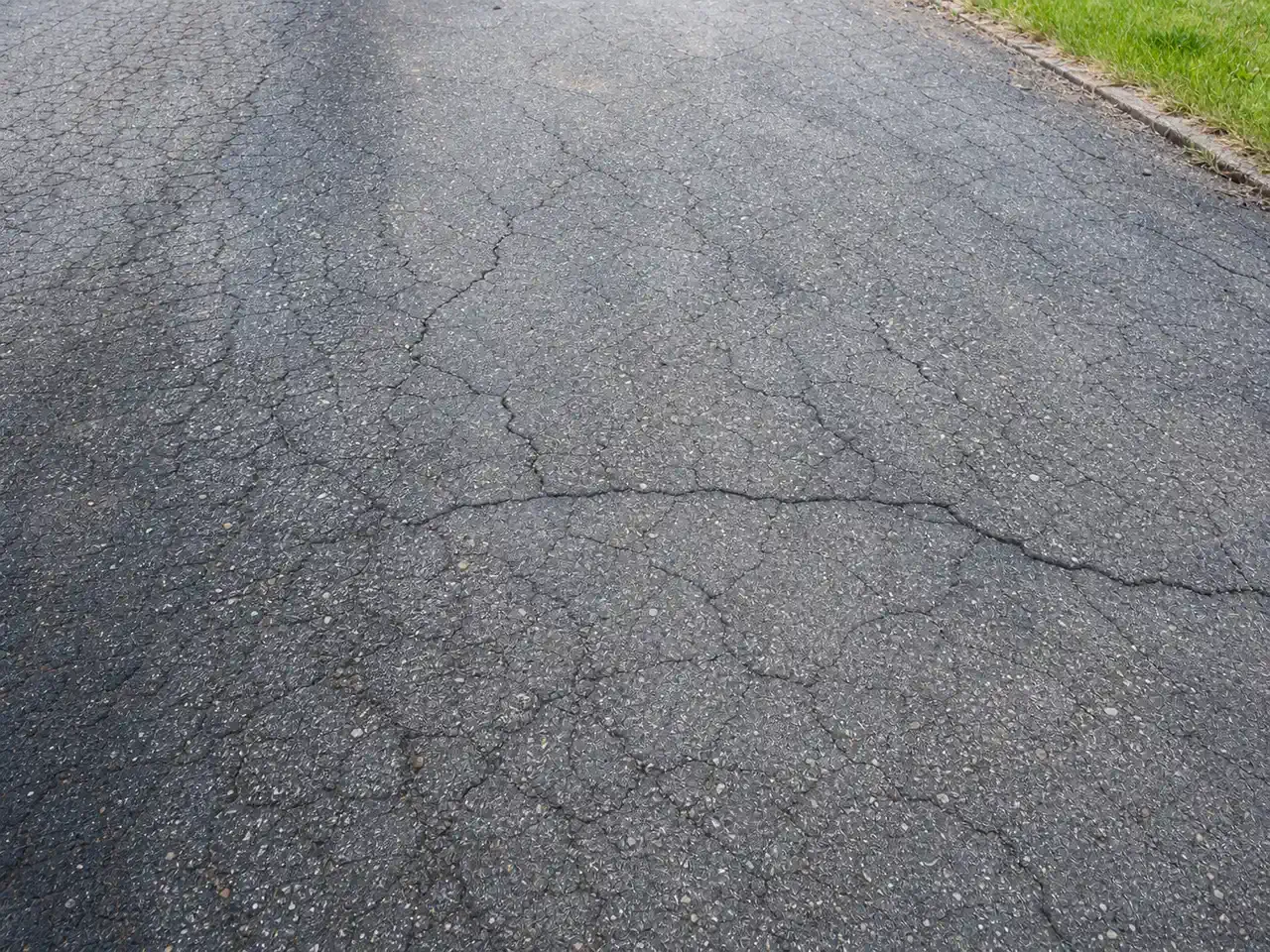
- Alligator cracking covers more than a quarter of the surface.
- Visible sinking or bulging that returns after patching.
- Potholes that reopen within a year of patching.
- Drainage problems caused by failed grading.
- Tree roots have heaved sections.
Cost 3000 to 8000 dollars depending on size, removal complexity, and base work. Lasts 20 to 30 years with regular maintenance. The most expensive option but the only one that actually fixes a failed base. Sealing or resurfacing over a failed base wastes money because the surface fails again within a year or two. See replacement cost 2026 and removal cost.
The cost-per-year-of-life view
The right way to compare the three options is dollars per year of added life. It often comes out closer than the absolute price tags suggest.
- Sealcoat: 300 dollars / 8 years = 38 dollars per year.
- Resurface: 2500 dollars / 13 years = 192 dollars per year.
- Replace: 5000 dollars / 25 years = 200 dollars per year.
Sealcoat wins on dollars per year but only when the surface is sound. Resurface and replace are similar per year, which is why the base condition is the real decider. If the base is sound, resurface. If the base is failing, replace.
The most common mistake
Sealing a driveway that needed resurfacing or replacement. The owner spends 300 to 600 dollars on sealer, the cracks return through the coat in 6 months, and a year later the driveway still needs the bigger fix. The 300 dollars is gone. The right test: if you can already see cracks wider than 1/4 inch or any alligator pattern, sealcoat is not the answer. See when not to sealcoat.
The second most common mistake
Replacing when resurfacing would have worked. Some contractors push tear-out and replace because it pays better. If the base is truly sound (no sinking, no widespread alligator), a resurface gets you 10 to 15 years for half the cost. Ask any contractor pitching replacement: what is the condition of the base, and can you core-drill to verify? A reputable pro will explain. See contractor red flags and how to choose a contractor.
Bottom line
Sealcoat if sound. Resurface if surface-damaged but base-sound. Replace if base has failed or driveway is past 25 years. Use the decision tool above to map your specific conditions. The wrong call costs anywhere from 200 dollars to 5000 dollars in wasted money. For matching budgets see sealcoat cost, resurface cost, and replacement cost. To check a contractor quote, run the quote checker.
For more on driveway lifespan and maintenance the sources page covers references. The National Asphalt Pavement Association publishes residential maintenance schedules. The Asphalt Institute has technical notes on overlay vs replacement decisions. For contractor due diligence see the Better Business Bureau.