A colored asphalt driveway costs about 1 to 3 dollars more per square foot than plain black asphalt, so a typical 600 square foot driveway runs roughly 600 to 1,800 dollars extra. Color comes from pigment in the mix, dyed binder, or a tinted topcoat. Earth tones like red, brown, and tan hold up best. Compare the full driveway cost picture before deciding.
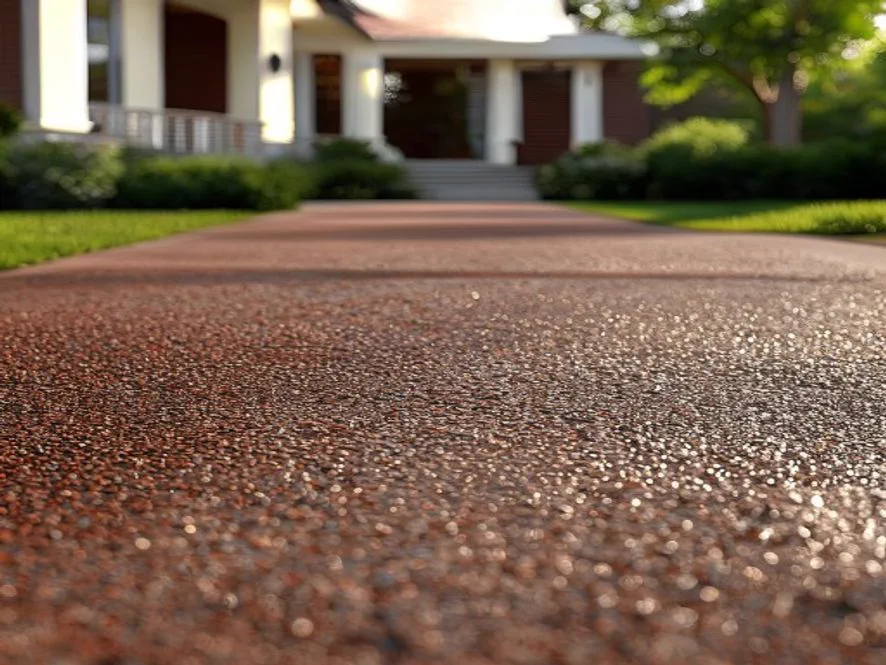
What is colored asphalt and how does it get its color?
Plain asphalt is black because of the petroleum binder that holds the stone together. Colored asphalt changes that look in one of three ways, and the method you pick drives both the price and how long the color lasts.
- Pigmented hot mix. Iron oxide or synthetic pigment is blended into the asphalt at the plant or on site. This colors the whole surface layer, so the tone runs deep and wears slowly. It is the most durable but the most expensive option.
- Clear or synthetic binder. A clear plant resin replaces the dark petroleum binder, then pigment is added. This lets you reach brighter colors like green or blue, but the binder costs far more and is rare for home driveways.
- Tinted sealcoat or coating. A colored acrylic or asphalt emulsion is brushed or sprayed over a normal black driveway. It is the cheapest path and the only way to add color to a driveway you already own.
The U.S. asphalt industry trade body explains the basics of mix design and binder at asphaltpavement.org, which is worth a read if you want to understand what your contractor is actually changing.
What colors can asphalt actually be made?
Earth tones are the safe bet. Iron oxide pigments produce reliable reds, terracotta, brown, tan, and warm gray at a reasonable cost. These tones also hide dust, tire marks, and minor stains better than a bright color would.
Brighter colors are technically possible but practical limits apply:
- Red and terracotta. The most popular driveway color. Strong, warm, and forgiving as it fades.
- Brown and tan. Blends with stone, brick, and natural landscaping. Pairs well with paver or brick borders.
- Gray and charcoal. A softer alternative to harsh black that mimics a concrete look at lower cost.
- Green, blue, and white. Need the clear synthetic binder, which can double the surface cost. Usually reserved for walkways, plazas, and bike paths, not driveways.
How much does a colored asphalt driveway cost?
Color is an add on to the base paving price, so start with your normal number and layer the color cost on top. A plain new asphalt driveway commonly runs 7 to 13 dollars per square foot installed, a figure detailed in our full asphalt driveway cost report. See the breakdown in our cost per square foot guide for the base figure in your area.
- Pigmented hot mix. Adds about 1 to 3 dollars per square foot. On a 600 square foot drive that is 600 to 1,800 dollars over plain black.
- Tinted sealcoat. Adds about 0.30 to 0.60 dollars per square foot, or roughly 180 to 360 dollars on that same drive. It must be redone every 2 to 3 years.
- Synthetic binder color. Can add 4 to 8 dollars per square foot or more. Few residential contractors offer it.
Color also nudges your maintenance budget, since recoats keep the tone fresh. Factor that into your long term plan the way you would with any hidden install cost.
Quick estimate
Colored Driveway Cost Estimator
Enter your driveway size and pick a color method to see a rough added cost over plain black asphalt. This is a planning estimate, not a quote.
Does colored asphalt fade, and how do you keep it looking good?
Yes, all colored asphalt lightens over time. Ultraviolet light from the sun is the main cause, and tire scrub and weather speed it up. How fast depends on the method. Pigmented hot mix holds its tone for 5 to 8 years before it needs attention. Tinted sealcoat fades within 2 to 3 years and needs a fresh coat to stay bright.
Maintenance for colored asphalt is the same routine as black asphalt, just with color matched products. Keep cracks sealed, clean off stains, and recoat on schedule. Our maintenance schedule works for any color. If your tone has already gone dull, see restoring faded color for recovery steps. The EPA notes that sealants and coatings vary in their chemistry and emissions, so check product labels at epa.gov before you pick one.
Colored asphalt vs colored concrete and other options
Color is one reason homeowners look past plain asphalt, so it helps to know the alternatives. Each surface trades cost for appearance and durability.
- Colored or stamped concrete. Sharper color and pattern, but costs more and cracks harder in freeze thaw climates. Compare the trade in our asphalt vs concrete guide.
- Stamped asphalt. Pressed patterns plus color give a brick or stone look for less than pavers. See stamped asphalt pros and cons.
- Pavers. The richest color and texture, and the highest price. Weigh it in asphalt cost vs pavers.
- Tar and chip. Natural stone color baked in. A rustic look at a budget price.
For climate guidance, the Federal Highway Administration covers how pavement performs in different conditions at fhwa.dot.gov. If you want curb appeal without changing the surface itself, our curb appeal ideas cover edging, lighting, and landscaping.
Should you choose colored asphalt?
Colored asphalt makes sense if you want a warmer look than black, you live in a freeze thaw region where asphalt flexes better than concrete, and you accept that the color will need refreshing. Pigmented hot mix is the choice for lasting color. Tinted sealcoat is the budget choice and the only option for an existing driveway. Get color confirmed in writing before signing, the same way you would with the rest of your paving contract.
Bottom line
Color turns a plain black driveway into a design feature for 1 to 3 dollars more per square foot in hot mix, or far less with tinted sealcoat. Earth tones last longest and hide wear best. Plan for periodic recoats, get the exact color and method in your contract, and run your size through the estimator above so the upgrade does not surprise your budget.