If you read enough asphalt driveway threads, the same regrets keep coming up. Homeowners disagree about plenty. But a clear set of "I wish I had..." themes shows up across years and regions. This post distills the most consistent ones, with the lesson each time. Every regret below maps to a tool or a guide on this site, so you can break the pattern before it costs you.
1. "I went with the cheapest quote."
The single most common regret. Homeowners describe accepting a low bid 25 to 40 percent under the others, then watching the driveway crack, sink, or pool water within 2 to 5 years. The thread usually ends with the same line: "The savings disappeared the first time I had to repair it."
The lesson is not "always pick the most expensive." It is to compare the same scope. The cheap quote almost always skipped something. Thinner asphalt. Less base. No drainage. Or unstated removal. When the scope is identical, the prices usually cluster within 10 to 20 percent of each other. Score every quote with our asphalt quote checker first.
2. "I trusted a verbal promise."
Forum threads about contractor disputes almost always include this line: "He told me it would be 3 inches but the quote just said 'asphalt.'" If it is not in writing, it does not exist when the dispute starts. Compacted thickness, base depth, removal, drainage, equipment, and warranty all need to be written. The Better Business Bureau lists "verbal-only scope" as one of the top home-improvement complaint patterns.
3. "I let them sealcoat my new driveway."
A specific scam pattern. A paving crew finishes a driveway in spring, then offers a "discounted sealcoat" weeks or months later. Homeowners report soft, sticky, or peeling surfaces afterward. The right answer is to wait 6 to 12 months on new asphalt before the first sealcoat. See our when to sealcoat guide for the full timing rule.
4. "I bought asphalt millings for a steep driveway."
Common in tractor and rural property forums. Homeowners on slopes describe washout in heavy rain, ruts forming in tire tracks, and fines tracking into garages and houses. Millings work on flat to gently sloped driveways with proper compaction. On grades above 8 to 10 percent, real asphalt or concrete is usually a better fit. Read our millings on a slope guide before buying. Plan tons with the millings calculator.
5. "I sealed every year."
Annual sealcoating is one of the most-repeated mistakes. Homeowners describe driveways that look black for a few weeks, then crack, peel, or develop alligator-like patterns. Excess sealer dries unevenly, builds up, and cracks on its own. A 2 to 4 year cycle is plenty for most residential driveways. The 5-year maintenance schedule sets the right cadence.
6. "I let a door-to-door crew pave it."
The "leftover asphalt" pitch is a classic BBB-tracked scam. A crew shows up unannounced, claims they have surplus hot mix from another job, and offers a discount. Homeowners who accept describe thin uneven surfaces, no warranty, no callback when problems emerge, and crews that have already left the state. Hot mix does not "leftover" between jobs. It cools too fast. The FTC consumer site publishes guidance on home-improvement red flags. Our own scam warning signs guide lists the seven patterns to watch for.
7. "I overlaid over a failing base."
An overlay on a sound base adds 8 to 15 years to a driveway. An overlay on a failing base buys 1 to 3 years before the same cracking pattern shows through the new lift. Homeowners who skip the inspection step describe paying twice within 5 years. See overlay vs tear-out for the decision rule.
8. "I skipped drainage."
"It looked fine when it was dry." Homeowners describe driveways that pool water after rain, freeze in winter, and develop edge failures and alligator cracking within a few years. A driveway is a structure that has to drain. Re-grading and proper drainage often pay for themselves by extending the surface by years.
9. "I picked asphalt without thinking about climate."
In freeze-thaw climates, base depth and drainage matter even more. Homeowners in northern states often regret going with minimum base on a thin section. Adding 2 inches of base and 0.5 inch of compacted asphalt at install is far cheaper than fixing the failure 5 years later. The National Weather Service climate normals make it easy to look up freeze-thaw cycle counts in your area before you size the base. See driveway thickness for compacted depth targets and lifespan for what shortens it.
10. "I waited too long to fill cracks."
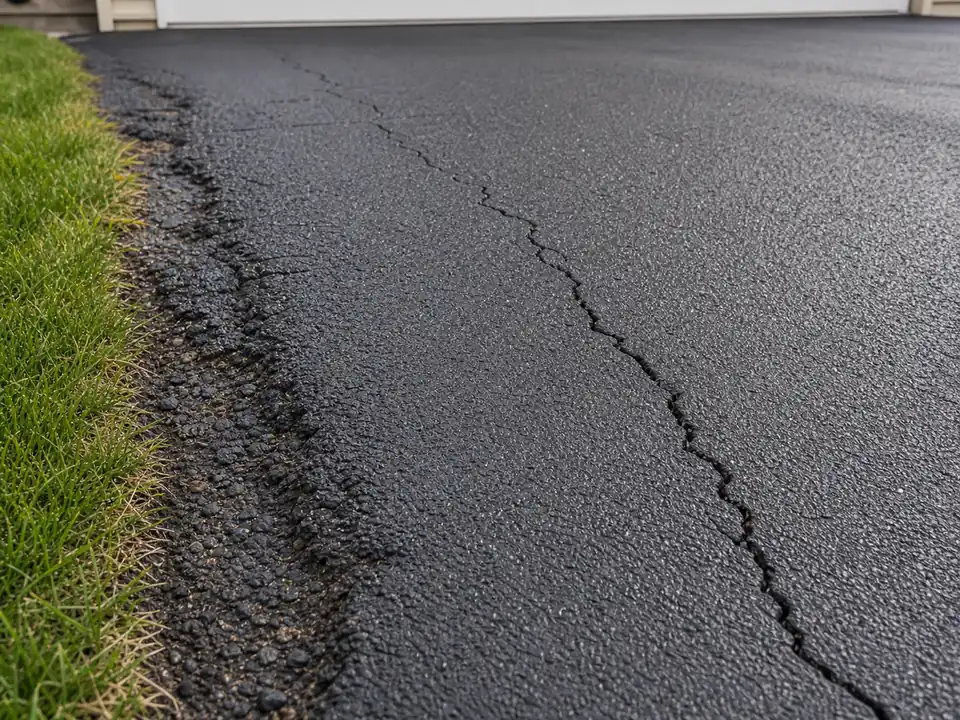
Hairline cracks become wide cracks. Wide cracks let water reach the base. Saturated base fails. Homeowners who skip one spring crack-fill afternoon describe paying for full repair work two years later. A bottle of crack filler is 10 to 15 dollars and an hour of work. Use our how to fix cracks guide for the right product per crack type.
The pattern across regrets
Almost every regret is one of three categories. Trusting verbal scope. Going with the cheapest bid. Or skipping a 1 to 2 hour maintenance task. None of them are about the math of the calculator. They are about the human decisions that surround the calculator.
If you are starting a driveway project, two habits prevent most of these regrets. Get scope in writing. Compare every quote against the same written scope. Then run the numbers yourself with the cost calculator and check the contractor quote with the quote checker. References for the costs and patterns above are on the sources page.